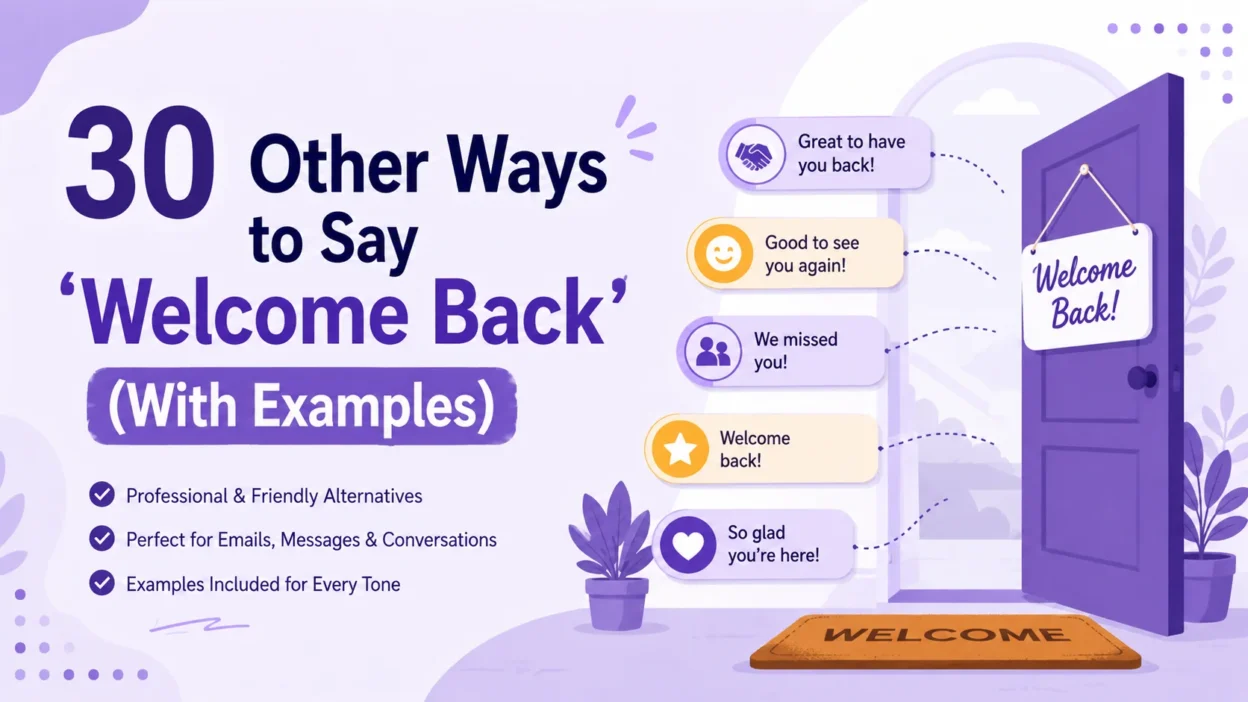
Other Ways to Say ‘Welcome Back’ helps every greeting feel warm, natural, personal, and meaningful with fresh alternatives people remember.A thoughtful phrase can completely change a conversation. I have learned that using Other Ways to Say Welcome Back, alternative words, alternative phrases, welcome back alternatives, friendly expressions, creative variations, and another expression makes every thoughtful message feel more sincere. Whether you say Welcome Back, welcome back, or use a warm greeting, professional greeting, customer greeting, family greeting, colleague greeting, return greeting, enthusiastic greeting, or simple greeting, you show care, appreciation, recognition, courtesy, belonging, and genuine interest. This helps people feel valued, appreciated, noticed, missed, and welcomed after returning from a trip, vacation, work leave, long absence, long break, away time, return from school, return from work, or return from vacation.
Every situation deserves the right tone and clear communication. In workplace communication, customer service, social conversations, conversational English, fluent English, emails, email, meetings, the classroom, online, or social media, including a social media return, your professional tone, casual tone, friendly tone, heartfelt message, or playful style should match the context. I keep a mental list of perfect words, right words, and the perfect expression for every moment when greeting someone, welcoming someone, or addressing a colleague, coworker, friend, close friend, family member, loved one, partner, customers, students, audience, and other people. This habit continues to improve, improving, and strengthens relationships, communication skills, and every message, making it sound more natural instead of robotic, impersonal, flat, dull, or repetitive.
This guide with examples encourages you to discover, find, choose, express, and tackle the burning question with confidence. By using welcome back phrases, welcoming phrases, thoughtful expressions, greeting expression, other ways, different ways, and a fresh greeting, you can boost engagement, support fluent communication, strengthen relationship, create valued communication, leave a lasting impression, and stand out every time. As stories, memories, joy, happiness, excitement, and connection grow, your writing, background, style, and ability to react become more human, beautiful, and confident. Whether it is your first greeting, again after a break, school return, work return, homecoming, or greeting someone returning after an absence, these widely used ideas make everyday communication more sincere.
What Does “Welcome Back” Mean?
The phrase “Welcome Back” is a friendly greeting used when someone returns after being away for a period of time. It expresses happiness, acceptance, and appreciation for the person’s return. The time apart could be a few hours, several days, months, or even years.
At its heart, “Welcome Back” communicates that someone’s presence matters. It reassures the returning person that they have been remembered and that people are pleased to see them again. The phrase is suitable for personal, professional, and formal situations, making it one of the most versatile greetings in English.
Is It Professional or Polite to Say “Welcome Back”?
Yes. “Welcome Back” is both professional and polite. It is commonly used in workplaces, schools, businesses, hospitals, and customer service because it sounds respectful, positive, and inclusive.
In professional settings, the phrase helps create a welcoming atmosphere without sounding overly casual. In personal conversations, it naturally conveys warmth and kindness. However, depending on your relationship with the other person, choosing a more personalized alternative may feel even more genuine.
Advantages and Disadvantages of Saying “Welcome Back”
Advantages
- Universally understood across English-speaking cultures.
- Sounds warm, friendly, and respectful.
- Works well in both formal and casual conversations.
- Appropriate for emails, meetings, classrooms, and family gatherings.
- Instantly makes people feel included and appreciated.
Disadvantages
- Can sound generic if used repeatedly.
- May lack personality in close relationships.
- Doesn’t always reflect the excitement of a long-awaited reunion.
- Some situations call for a more enthusiastic or emotional greeting.
Synonyms for “Welcome Back”
- It’s Great to See You Again
- We’re Happy You’re Back
- It’s Good to Have You Back
- Glad You’re Back
- We’ve Missed You
- So Nice to See You Again
- It’s Wonderful to Have You Back
- Welcome Home
- Look Who’s Back!
- You’ve Been Missed
- It’s Been Too Long
- We’re Glad You’re Here
- Good to See You Back
- Happy to Have You Back
- It’s a Pleasure to See You Again
- Back at Last!
- Everything Feels Better with You Here
- You’ve Returned at the Perfect Time
- We’ve Been Waiting for You
- Your Presence Was Missed
- It’s Nice Having You Around Again
- The Team Isn’t Complete Without You
- We’re Delighted You’re Back
- It’s Great Having You Here Again
- The Place Hasn’t Been the Same Without You
- I’m So Glad You’re Back
- We’ve Been Looking Forward to Seeing You
- It’s Wonderful Seeing You Again
- You Brighten the Place
- It’s Great to Have You With Us Again
1. It’s Great to See You Again
Meaning
A warm and enthusiastic greeting that expresses genuine happiness when someone returns.
Definition
“It’s Great to See You Again” is used to let someone know that their return is appreciated and that seeing them again brings joy.
Detailed Explanation
This phrase is slightly more personal than simply saying “Welcome Back.” It emphasizes the speaker’s happiness rather than focusing only on the person’s return. Because of its friendly tone, it works well with colleagues, classmates, friends, and relatives. It immediately creates a positive atmosphere and makes the other person feel valued.
Scenario Example
“It’s great to see you again, Sarah! Everyone was asking about you while you were away.”
Best Use
Workplaces, school reunions, family gatherings, and casual conversations.
Tone
Warm, friendly, enthusiastic, and sincere.
2. We’re Happy You’re Back
Meaning
A phrase that expresses collective happiness about someone’s return.
Definition
“We’re Happy You’re Back” lets someone know that a group genuinely appreciates their presence again.
Detailed Explanation
Unlike greetings spoken from an individual perspective, this alternative speaks on behalf of a team, family, or community. It helps the returning person feel included and reassures them that they were missed. The wording is especially effective in workplaces and organizations where collaboration is important.
Scenario Example
“We’re happy you’re back! The office definitely wasn’t the same without you.”
Best Use
Teams, businesses, schools, and clubs.
Tone
Supportive, welcoming, professional, and kind.
3. It’s Good to Have You Back
Meaning
A thoughtful way to express appreciation for someone’s return.
Definition
This phrase communicates that the person’s presence contributes something valuable and that everyone is pleased they have returned.
Detailed Explanation
Compared to “Welcome Back,” this alternative feels slightly more personal because it highlights the value of having the individual present again. It works equally well in professional and personal settings and often sounds more heartfelt than a standard greeting.
Scenario Example
“It’s good to have you back. We all missed your positive attitude during the project.”
Best Use
Offices, friendships, family events, and team meetings.
Tone
Warm, professional, encouraging, and appreciative.
4. Glad You’re Back
Meaning
A short, casual expression of happiness about someone’s return.
Definition
“Glad You’re Back” is an informal greeting that quickly lets someone know they were missed.
Detailed Explanation
This phrase is simple but meaningful. Because it is brief and conversational, it feels natural in everyday interactions. It’s especially useful when greeting friends, coworkers, or classmates without sounding overly formal.
Scenario Example
“Glad you’re back! Lunch just wasn’t as fun without you.”
Best Use
Casual conversations, friends, coworkers, and social gatherings.
Tone
Friendly, relaxed, positive, and casual.
5. We’ve Missed You
Meaning
A heartfelt expression showing that someone was noticed during their absence.
Definition
This phrase directly tells someone that people felt their absence and are happy they have returned.
Detailed Explanation
Unlike a simple greeting, “We’ve Missed You” focuses on the emotional impact of the person’s absence. It often creates a stronger emotional connection because it reassures the listener that they matter. The phrase works well for family, close friends, loyal customers, students, and valued coworkers.
Scenario Example
“We’ve missed you so much! It feels wonderful to have everyone together again.”
Best Use
Close relationships, family reunions, team environments, and community groups.
Tone
Affectionate, heartfelt, warm, and supportive.
6. So Nice to See You Again
Meaning
A pleasant and welcoming greeting that expresses genuine happiness about seeing someone after some time apart.
Definition
“So Nice to See You Again” is a friendly expression used to let someone know their return is appreciated and that their presence brings joy.
Detailed Explanation
This phrase feels slightly more personal than “Welcome Back” because it focuses on the excitement of seeing the individual again rather than simply acknowledging their return. It works well in both professional and personal settings, making it a versatile alternative for everyday conversations. Whether someone has been away for a few days or several months, this expression creates a warm first impression.
Scenario Example
“So nice to see you again! I hope your vacation was relaxing and full of wonderful memories.”
Best Use
Friends, coworkers, clients, neighbors, and family gatherings.
Tone
Warm, cheerful, welcoming, and sincere.
7. It’s Wonderful to Have You Back
Meaning
A heartfelt way to express that someone’s return is truly appreciated.
Definition
This phrase communicates that the person’s presence makes a meaningful difference and that everyone is delighted to see them again.
Detailed Explanation
Compared with a simple “Welcome Back,” this alternative sounds more expressive and emotionally genuine. It emphasizes not only the person’s return but also the positive impact they have on the people around them. It’s especially suitable when welcoming someone after a long absence or an important life event.
Scenario Example
“It’s wonderful to have you back. Everyone has been looking forward to seeing you again.”
Best Use
Family reunions, workplaces, schools, community events, and special occasions.
Tone
Heartfelt, grateful, warm, and enthusiastic.
8. Welcome Home
Meaning
A deeply comforting greeting used when someone returns to a place where they belong.
Definition
“Welcome Home” is an expression that celebrates someone’s return to their home, family, workplace, or any place where they are valued.
Detailed Explanation
Although it traditionally refers to returning home, this phrase is also used metaphorically. For example, organizations may say “Welcome Home” to new or returning employees to create a sense of belonging. The expression carries strong emotional warmth and reassures the listener that they are accepted and appreciated.
Scenario Example
“Welcome home! We’ve all been counting the days until you returned safely.”
Best Use
Family reunions, military homecomings, churches, organizations, and close-knit communities.
Tone
Comforting, loving, reassuring, and heartfelt.
9. Look Who’s Back!
Meaning
A playful greeting that shows surprise and excitement when someone returns.
Definition
This phrase is used in an energetic and informal way to acknowledge someone’s arrival after being away.
Detailed Explanation
Unlike more formal alternatives, “Look Who’s Back!” immediately creates a lighthearted atmosphere. It often brings smiles and laughter, making it perfect among friends, relatives, or familiar coworkers. Because of its casual nature, it’s generally not suitable for formal business communication.
Scenario Example
“Look who’s back! We were beginning to think you’d forgotten all about us.”
Best Use
Friends, family, casual workplaces, and social gatherings.
Tone
Playful, excited, friendly, and informal.
10. You’ve Been Missed
Meaning
A thoughtful expression that lets someone know their absence was genuinely noticed.
Definition
“You’ve Been Missed” communicates that people felt the person’s absence and are sincerely happy they have returned.
Detailed Explanation
This alternative places the focus on the individual’s value rather than simply their return. It helps strengthen relationships because it reassures the other person that they are important. Whether spoken in a workplace or among loved ones, the phrase creates an immediate sense of appreciation and belonging.
Scenario Example
“You’ve been missed around here. It’s wonderful to have your positive energy back.”
Best Use
Professional teams, families, friendships, schools, and community groups.
Tone
Caring, warm, appreciative, and encouraging.
11. It’s Been Too Long
Meaning
A warm expression that highlights how much time has passed since you last saw someone.
Definition
“It’s Been Too Long” communicates that you’ve genuinely missed seeing the other person and are happy they’ve returned.
Detailed Explanation
This phrase emphasizes the length of the separation rather than simply acknowledging the person’s return. It works especially well when reconnecting after weeks, months, or even years. It adds an emotional touch that makes the greeting feel more personal.
Scenario Example
“It’s been too long! Let’s catch up over coffee this week.”
Best Use
Old friends, family reunions, and former coworkers.
Tone
Warm, nostalgic, and friendly.
12. We’re Glad You’re Here
Meaning
A welcoming phrase that focuses on someone’s presence rather than their absence.
Definition
This expression lets someone know that everyone appreciates having them there.
Detailed Explanation
Unlike “Welcome Back,” this phrase feels inclusive and supportive. It reassures the person that their presence is valued and that they belong.
Scenario Example
“We’re glad you’re here. The meeting feels complete with you joining us.”
Best Use
Teams, classrooms, events, and community groups.
Tone
Supportive, welcoming, and professional.
13. Good to See You Back
Meaning
A simple greeting expressing pleasure at someone’s return.
Definition
This phrase acknowledges someone’s arrival in a friendly and respectful way.
Detailed Explanation
It is a straightforward alternative suitable for both casual and professional situations. The wording feels genuine without being overly emotional.
Scenario Example
“Good to see you back! We hope you’re feeling much better now.”
Best Use
Coworkers, friends, and classmates.
Tone
Friendly, polite, and positive.
14. Happy to Have You Back
Meaning
A phrase that expresses appreciation for someone’s return.
Definition
It communicates that the person’s presence contributes positively to the group.
Detailed Explanation
This alternative sounds heartfelt while remaining appropriate in professional environments. It shows that the returning person is an important part of the team or family.
Scenario Example
“We’re happy to have you back. Your ideas were definitely missed.”
Best Use
Workplaces, schools, and families.
Tone
Warm, encouraging, and appreciative.
15. It’s a Pleasure to See You Again
Meaning
A respectful and polished greeting.
Definition
This phrase politely expresses genuine happiness about meeting someone again.
Detailed Explanation
Because it sounds refined and courteous, it’s an excellent option for professional relationships, clients, or formal occasions while still feeling sincere.
Scenario Example
“It’s a pleasure to see you again. I hope your conference went well.”
Best Use
Business meetings, professional networking, and formal events.
Tone
Professional, courteous, and warm.
16. Back at Last!
Meaning
An enthusiastic expression celebrating someone’s return.
Definition
This phrase emphasizes excitement that the person has finally returned.
Detailed Explanation
It works particularly well when everyone has eagerly anticipated someone’s arrival. The exclamation makes it feel energetic and cheerful.
Scenario Example
“Back at last! We’ve been saving your favorite seat.”
Best Use
Friends, family, and casual workplaces.
Tone
Excited, playful, and enthusiastic.
17. Everything Feels Better with You Here
Meaning
A heartfelt way to express that someone’s presence makes a positive difference.
Definition
This phrase tells someone that their return has improved the atmosphere.
Detailed Explanation
Instead of simply welcoming someone back, it compliments their importance. It works best with people you genuinely know well.
Scenario Example
“Everything feels better with you here. We’ve all missed your positive attitude.”
Best Use
Close friends, family, and supportive teams.
Tone
Affectionate, sincere, and encouraging.
18. You’ve Returned at the Perfect Time
Meaning
A greeting suggesting the person’s arrival is especially appreciated now.
Definition
This phrase combines a welcome with a sense of perfect timing.
Detailed Explanation
It creates excitement by implying that the person’s return is both needed and appreciated. It’s often used when important events or projects are underway.
Scenario Example
“You’ve returned at the perfect time. We were just about to start the celebration.”
Best Use
Work projects, family events, and group activities.
Tone
Positive, optimistic, and friendly.
19. We’ve Been Waiting for You
Meaning
A welcoming phrase showing anticipation for someone’s return.
Definition
This expression lets someone know that others were looking forward to seeing them again.
Detailed Explanation
It adds emotional warmth by suggesting that the person’s arrival was eagerly expected. It makes people feel important and appreciated.
Scenario Example
“We’ve been waiting for you! Dinner is finally ready to begin.”
Best Use
Family gatherings, friends, and team celebrations.
Tone
Warm, enthusiastic, and inviting.
20. Your Presence Was Missed
Meaning
A thoughtful way to acknowledge someone’s importance.
Definition
This phrase emphasizes that the person’s absence had a noticeable impact.
Detailed Explanation
Rather than focusing only on the return, it recognizes the value the individual brings. It feels respectful and sincere.
Scenario Example
“Your presence was missed during the conference. We’re happy you’re back today.”
Best Use
Professional settings, volunteer organizations, and friend groups.
Tone
Respectful, warm, and appreciative.
21. It’s Nice Having You Around Again
Meaning
A casual expression that shows someone was missed.
Definition
This phrase communicates that life feels better with the person’s return.
Detailed Explanation
It sounds natural and conversational, making it perfect for everyday interactions with people you know well.
Scenario Example
“It’s nice having you around again. Things have been a little quiet without you.”
Best Use
Friends, roommates, family, and coworkers.
Tone
Casual, friendly, and warm.
22. The Team Isn’t Complete Without You
Meaning
A meaningful expression showing someone’s importance to a group.
Definition
This phrase tells someone they are an essential member of the team.
Detailed Explanation
It highlights belonging and appreciation, making the returning person feel valued and respected.
Scenario Example
“The team isn’t complete without you. We’re so glad you’re back.”
Best Use
Workplaces, sports teams, and clubs.
Tone
Supportive, motivating, and appreciative.
23. We’re Delighted You’re Back
Meaning
A polished way to express great happiness about someone’s return.
Definition
This greeting communicates sincere pleasure in welcoming someone again.
Detailed Explanation
The word “delighted” adds elegance and enthusiasm, making the phrase suitable for formal and semi-formal situations.
Scenario Example
“We’re delighted you’re back and look forward to working with you again.”
Best Use
Business settings, schools, and formal events.
Tone
Professional, gracious, and enthusiastic.
24. It’s Great Having You Here Again
Meaning
A friendly expression celebrating someone’s return.
Definition
This phrase expresses happiness that the person is once again part of the group.
Detailed Explanation
It feels conversational and genuine while working well in nearly every environment.
Scenario Example
“It’s great having you here again. Everyone has been asking about you.”
Best Use
Friends, offices, schools, and community groups.
Tone
Warm, friendly, and positive.
25. The Place Hasn’t Been the Same Without You
Meaning
A heartfelt statement emphasizing someone’s positive impact.
Definition
This phrase tells someone their absence noticeably changed the atmosphere.
Detailed Explanation
It makes people feel appreciated by recognizing that they contribute something unique to the environment.
Scenario Example
“The place hasn’t been the same without you. It’s wonderful seeing you again.”
Best Use
Close relationships, work teams, and families.
Tone
Emotional, warm, and appreciative.
26. I’m So Glad You’re Back
Meaning
A personal expression of happiness.
Definition
This phrase directly communicates the speaker’s joy at someone’s return.
Detailed Explanation
Because it comes from an individual perspective, it often feels more genuine and heartfelt than a generic greeting.
Scenario Example
“I’m so glad you’re back. I’ve really missed talking with you.”
Best Use
Friends, family, and close coworkers.
Tone
Heartfelt, warm, and sincere.
27. We’ve Been Looking Forward to Seeing You
Meaning
A welcoming phrase expressing anticipation.
Definition
This expression lets someone know their return has been eagerly awaited.
Detailed Explanation
It reassures the listener that others have been excited about seeing them again, making the greeting feel thoughtful.
Scenario Example
“We’ve been looking forward to seeing you. Everyone is excited you’re here.”
Best Use
Events, workplaces, schools, and family gatherings.
Tone
Welcoming, kind, and enthusiastic.
28. It’s Wonderful Seeing You Again
Meaning
A warm greeting expressing sincere happiness.
Definition
This phrase celebrates reconnecting with someone after time apart.
Detailed Explanation
It is suitable for both formal and informal situations and conveys genuine appreciation for the reunion.
Scenario Example
“It’s wonderful seeing you again. I hope everything has been going well for you.”
Best Use
Professional meetings, friends, and family.
Tone
Warm, gracious, and friendly.
29. You Brighten the Place
Meaning
A compliment that recognizes someone’s positive influence.
Definition
This phrase tells someone that their presence makes the environment happier.
Detailed Explanation
Instead of focusing on the return itself, it highlights the joy and energy the person brings wherever they go.
Scenario Example
“You brighten the place every time you’re here. We’re so happy you’re back.”
Best Use
Friends, family, teachers, and coworkers.
Tone
Affectionate, encouraging, and uplifting.
30. It’s Great to Have You With Us Again
Meaning
A welcoming phrase expressing appreciation for someone’s return to the group.
Definition
This expression emphasizes belonging and togetherness while celebrating someone’s arrival.
Detailed Explanation
It is one of the most versatile alternatives because it works equally well in professional, educational, and personal settings. It sounds warm without being overly casual.
Scenario Example
“It’s great to have you with us again. We can’t wait to work together on our next project.”
Best Use
Businesses, schools, organizations, churches, and family gatherings.
Tone
Welcoming, professional, warm, and inclusive.
Conclusion
Using other-ways-to-say-welcome-back helps you make every greeting feel more genuine and memorable. A small change in wording can show care, appreciation, and kindness, whether you are welcoming a friend, coworker, family member, student, or customer. By choosing the right phrase for the situation, you create stronger connections, improve communication, and leave a positive impression. Keep a few thoughtful alternatives ready, and your greetings will always sound natural, warm, and sincere.
FAQs
Q1. Why should I use other ways to say “Welcome Back”?
Using other-ways-to-say-welcome-back keeps your greetings from sounding repetitive. It also helps you match the right tone for personal, professional, or casual conversations.
Q2. What are the best alternatives to “Welcome Back”?
Some great alternatives include “It’s great to see you again,” “Glad you’re back,” “Happy to have you back,” “Welcome home,” and “We’ve missed you.” Choose the one that best fits the relationship and situation.
Q3. Can I use these welcome back alternatives in professional emails?
Yes. Many welcome back alternatives work well in professional emails, workplace messages, customer communication, and team announcements. Just select a phrase that sounds respectful and appropriate.
Q4. How do I make a welcome back message more personal?
Add the person’s name, mention their return, and include a few warm words of appreciation or encouragement. A personal touch makes your message feel more thoughtful and meaningful.
Q5. Are welcome back alternatives suitable for social media?
Absolutely. These expressions are perfect for social media, text messages, captions, and online communities. They help your greeting sound friendly, engaging, and more natural while making the other person feel valued.